Stinging Nettle (Urtica dioica) – Properties, Benefits in Skincare & Haircare
Stinging nettle (Urtica dioica), also known as common nettle, is a nutrient-rich herbaceous perennial plant with a long history in traditional medicine and modern natural skincare. Despite its notorious stinging hairs, nettle is one of the most valuable botanical ingredients for skin and hair care thanks to its high content of vitamins, minerals, flavonoids, and phenolic compounds.
1. Botanical Description and History
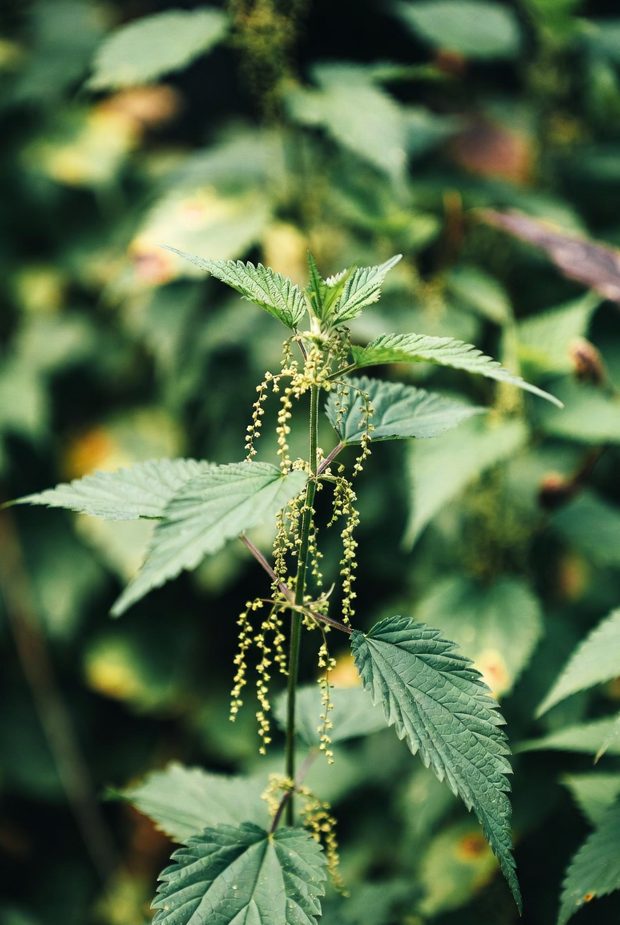
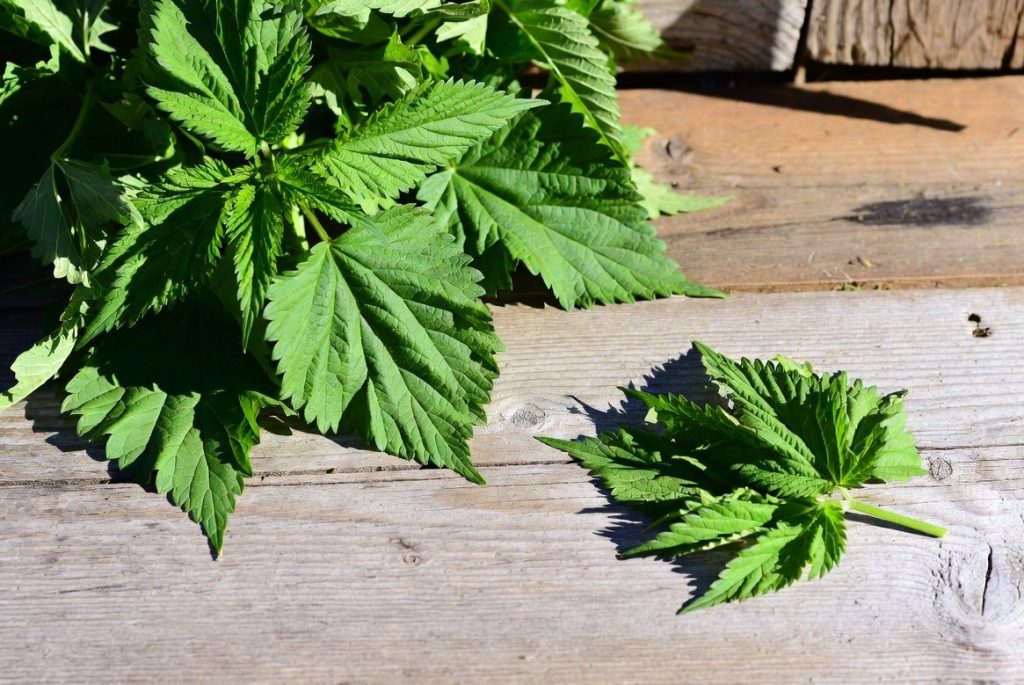
Urtica dioica belongs to the Urticaceae family. It grows up to 1–2 metres tall with serrated leaves and tiny greenish flowers. The plant is covered in hollow stinging hairs (trichomes) that inject histamine, acetylcholine, and formic acid when touched, causing a temporary burning sensation.
Nettle has been used for thousands of years across Europe, Asia, and North America. Ancient Romans used it for warming and circulation, while in traditional herbalism it served as a tonic, blood purifier, and remedy for skin conditions.
2. Key Nutrients and Bioactive Compounds
Nettle leaves and roots are rich in:
- Vitamins: A, C, K, and several B vitamins
- Minerals: Iron, calcium, magnesium, potassium, silica
- Polyphenols: Chlorogenic acid, caffeic acid derivatives, quercetin
- Other compounds: Flavonoids, tannins, sterols, and amino acids
These compounds give nettle strong antioxidant, anti-inflammatory, and astringent properties.
3. Benefits for Skin
Nettle extract is highly valued in natural cosmetics for several reasons:
- Anti-inflammatory & Soothing – Helps calm irritated skin, redness, and inflammatory conditions such as eczema, dermatitis, and acne.
- Sebum Regulation – Its astringent action helps control excess oil production, making it excellent for oily and combination skin.
- Antioxidant Protection – Protects skin cells from oxidative stress and supports collagen preservation, contributing to anti-aging effects.
- Purifying & Antibacterial – May help reduce bacteria on the skin and support clearer complexion.
- Wound Healing Support -Traditionally used for minor burns, insect bites, and skin irritation.
Studies show that nettle extract can reduce reactive oxygen species (ROS) in skin fibroblasts and protect against oxidative damage.
4. Benefits for Hair and Scalp
Nettle is one of the most popular botanical ingredients for hair care:
- Strengthens hair follicles thanks to high silica and mineral content
- May help reduce scalp inflammation and dandruff
- Traditionally used to combat hair loss and thinning (some studies suggest it may inhibit 5-alpha-reductase, though more research is needed)
- Improves scalp circulation and creates a healthier environment for hair growth
- Adds shine and improves overall hair condition
Many natural shampoos, conditioners, and scalp tonics include nettle extract for these reasons.
5. Scientific Evidence
Several studies support nettle’s traditional uses:
- Research published in Life (2024) demonstrated that nettle leaf extract has strong antioxidant properties and protects human skin fibroblasts from oxidative stress.
- Its anti-inflammatory effects have been observed in topical applications for arthritis and skin irritation.
- Multiple in-vitro and animal studies confirm its rich polyphenolic profile and potential benefits for skin health.
While more large-scale human clinical trials are still needed, existing evidence and centuries of traditional use make nettle a respected ingredient in natural dermatology.
6. Contraindications and Safety
Topical use (in properly processed extracts and products) is generally considered safe for most people.
Important warnings:
- Fresh nettle can cause skin irritation due to stinging hairs -always use processed extracts in cosmetics.
- Avoid during pregnancy (may stimulate uterine contractions).
- Consult a doctor if you have kidney issues, diabetes, or are taking blood pressure or blood-thinning medication.
- Rare cases of mild stomach upset when taken internally.
7. Nettle Products at Nanorev
At Nanorev we use high-quality nettle extract in selected natural formulations. Look for our:
- Nettle-based scalp tonics and hair serum
- Cleansers and creams for oily/acne-prone skin
- Soothing balms with nettle and other herbs
FAQ – Frequently Asked Questions
Is stinging nettle good for acne? Yes. Its anti-inflammatory and sebum-regulating properties make it suitable for acne-prone and oily skin.
Can nettle help with hair loss? Nettle is traditionally used for hair thinning. It may support scalp health and hair strength, though results vary between individuals.
Does nettle dry out the skin? In moderate concentrations it helps balance oil without over-drying, especially when combined with moisturising ingredients.
How long does it take to see results from nettle products? Visible improvements in skin clarity or hair condition usually appear after 4-8 weeks of consistent use.